Understanding the Synergy Between Art and Science
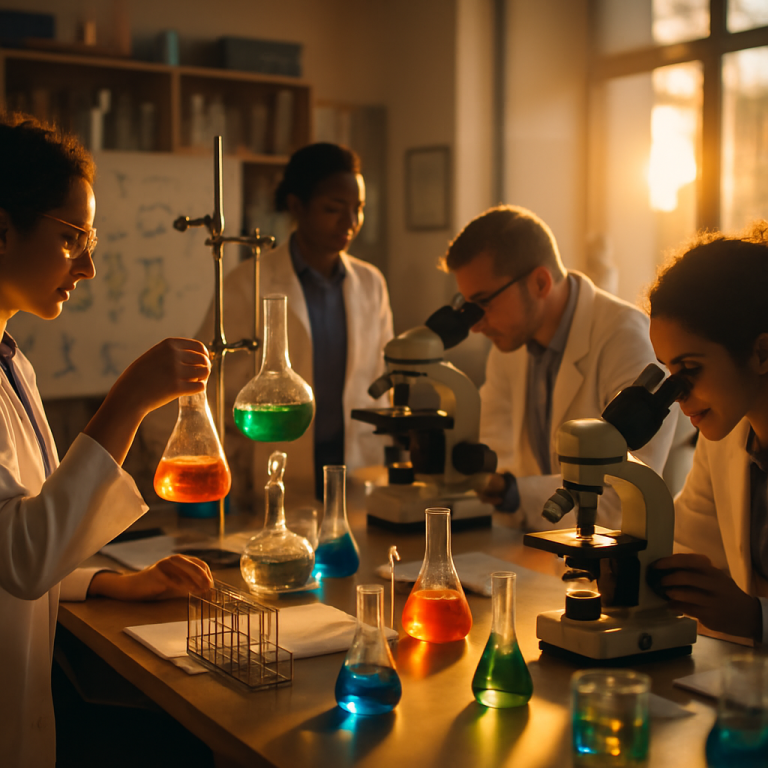
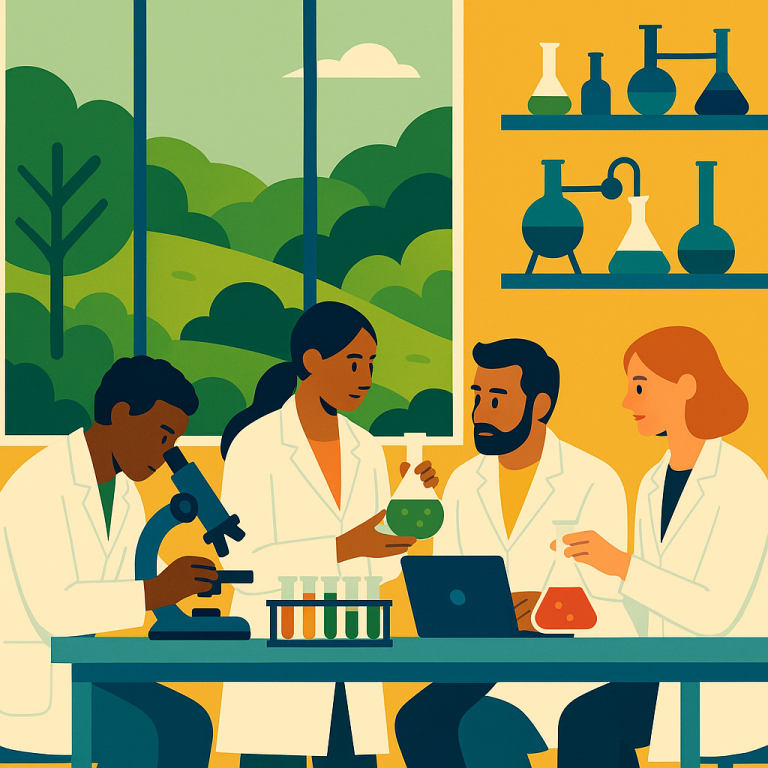
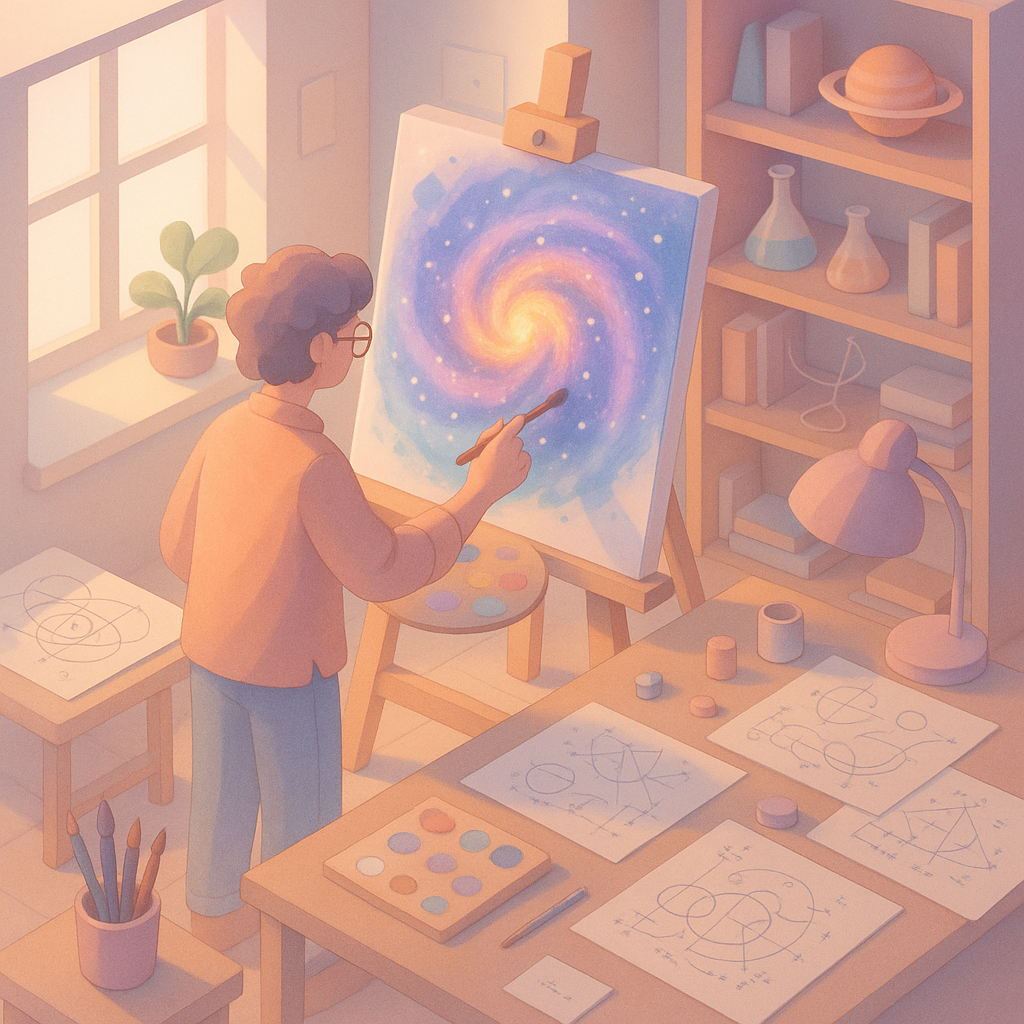
Science and art are often perceived as opposing realms of human endeavor, yet they are deeply interconnected. Both disciplines seek to explore and understand our world, albeit through different lenses. The synergy between art and science has fueled innovations and creativity throughout history, influencing how we perceive our environment and inspire future generations.
The Role of Observation in Both Fields
At the heart of both art and science lies a shared commitment to observation. Artists observe the nuances of human emotion and nature’s beauty, while scientists meticulously study phenomena to gain insights into the laws governing the universe. This observational foundation enables each discipline to enhance the other.
- Artistic Interpretation: Artists often render scientific concepts visually, making them accessible to the broader community.
- Scientific Innovation: Scientific discoveries can inspire novel artistic expressions, pushing boundaries and redefining creativity.
Historical Influences: How Artists Shaped Scientific Thought
Throughout history, numerous artists have played pivotal roles in the advancement of science. Artists like Leonardo da Vinci merged artistic talent with scientific inquiry, producing works that showcased anatomical precision and engineering marvels.
This trend continues today, with artists collaborating with scientists to produce exhibitions that educate and inspire. These initiatives highlight the importance of interdisciplinary approaches, encouraging creativity in scientific exploration.
Modern Convergences: Where Art Meets Technology
As technology advances, the convergence of art and science becomes increasingly evident. The digital age has opened new avenues for artistic expression and scientific collaboration. Here are some significant examples:
1. Digital Art and Data Visualization
Digital artists utilize complex datasets to create visually stunning representations of scientific phenomena. Data visualization not only aids in comprehending intricate concepts but also celebrates the beauty of scientific discovery.
2. BioArt
BioArt is a genre where artists manipulate living organisms or biological materials to create art. This practice raises ethical questions while promoting discussions on genetics, ecology, and biodiversity.
3. Interactive Installations and Augmented Reality
Interactive art installations, often powered by augmented reality (AR), immerse viewers in scientific concepts, fostering engagement. These installations serve as a bridge, making science approachable and exciting to diverse audiences.
The Future: Embracing Interdisciplinary Learning
The future of art and science collaboration relies on fostering interdisciplinary learning. Educational institutions are gradually recognizing the value of integrating art and science in their curricula. Teaching students to think creatively and scientifically will better prepare them to tackle the complex challenges we face.
- Creative Problem Solving: Interdisciplinary approaches enhance problem-solving skills.
- Fostering Innovation: Collaborative efforts inspire groundbreaking ideas and technologies.
In Conclusion
The intersection of art and science is a vibrant and dynamic realm that encourages exploration and creativity. By nurturing a collaborative spirit between these fields, we can deepen our understanding of the universe and unleash unprecedented innovative potential. Embracing this synergy is essential for advancing both artistic expression and scientific inquiry, ultimately enriching our culture and knowledge.
About the Author